
Views: 0 Author: Site Editor Publish Time: 2025-07-01 Origin: Site


In recent years, the lithium battery box has become an essential component for energy storage systems across various industries—from recreational vehicles (RVs) and marine applications to solar power systems and backup energy supplies. As lithium batteries continue to replace traditional lead-acid alternatives, choosing the right box to house and protect them has become increasingly important.
A lithium battery box is a protective enclosure designed to house lithium-ion batteries safely. Unlike traditional battery holders, these boxes are specifically engineered to support the unique properties of lithium chemistry—high energy density, sensitivity to temperature, and need for stable housing.
Choosing the right lithium battery box is not just about physical fit. It's about ensuring electrical safety, thermal management, and protection against environmental factors. The correct choice directly affects battery longevity, charging efficiency, and, most importantly, user safety.
A lithium battery box is a specialized case or container that holds one or more lithium-ion batteries. Its primary functions include:
Protecting the battery from shock, vibration, and external damage
Providing insulation and thermal control
Offering weatherproof and dustproof housing for outdoor use
Organizing wiring and terminals for efficient connectivity
Lithium battery boxes differ significantly from traditional lead-acid battery boxes:
Material Strength: Lithium boxes are often made from high-grade ABS or composite materials, offering higher durability.
Thermal Regulation: They often include insulation or ventilation systems to manage heat generation.
Smart Features: Many come with integrated voltmeters, USB ports, and solar charge controllers tailored to lithium systems.
Lithium batteries can overheat if not housed properly. A high-quality box manages internal temperatures, preventing overheating during charging or discharge cycles.
Whether you’re on rough roads in an RV or navigating rough seas, a well-built battery box cushions against impacts and vibration, reducing the risk of internal damage.
Outdoor and marine applications expose batteries to moisture and dust. A sealed lithium battery box with an IP65 or higher rating protects your battery from corrosion, dirt, and potential short-circuits.
Boxes with integrated ports, displays, and fuse systems help maintain clean, stable connections—leading to better energy efficiency and longer battery life.
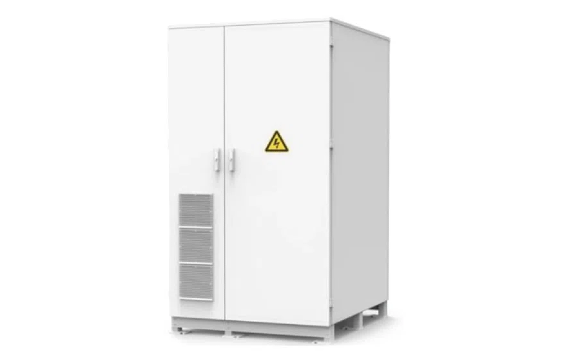
Before choosing a box, measure your lithium battery’s dimensions—length, width, and height. Make sure there’s enough internal clearance to allow for:
Wiring and terminal connections
Airflow around the battery
Future upgrades or additional modules
The material of your battery box influences its durability and safety. Recommended materials include:
ABS plastic: Lightweight, heat-resistant, and impact-resistant
Polyethylene (PE): Highly durable and chemical-resistant
Metal + foam composite: Excellent for thermal protection and shock absorption
Look for features like UV resistance, fire retardance, and corrosion-proof coatings for outdoor or marine use.
If you’re using the box in areas with extreme cold or heat, insulation becomes critical. Insulated boxes help regulate internal temperatures and prevent battery degradation. Options include:
Foam-lined interiors
Double-wall constructions
Phase change materials (PCM) for passive heat control
Poor ventilation can cause heat build-up, leading to battery failure. Choose between:
Passive ventilation: Built-in vents to allow natural airflow
Active ventilation: Small fans to circulate air inside the box
In closed environments or high-temperature locations, active systems are highly recommended.
Depending on your application, look for the following features:
Handles or wheels for easy transport
Tie-down points or brackets for secure mounting
Stackable designs for modular energy systems
Portable designs are ideal for camping or temporary setups, while mounted units work better for solar or vehicle installations.
Many modern lithium battery boxes come with built-in enhancements:
Voltmeter or battery status screen
USB/DC output ports for small electronics
Anderson connectors for solar inputs or external charging
Circuit breakers and fuses for protection
These features not only improve convenience but also enhance safety and functionality.
Here are typical real-world applications:
Keep your lights, fridge, and devices running without relying on gas generators. Boxes with integrated charge controllers work best with solar panels.
Choose corrosion-resistant, waterproof boxes for marine environments. Safety features like internal fuses and venting systems are essential here.
Lithium battery boxes allow homeowners or cabin dwellers to store solar energy reliably. Use stackable or modular units for scalable storage.
Use weatherproof boxes to store backup batteries for home or field use. Portable units are ideal for short-term emergencies and disaster recovery.
Too small, and it won't fit. Too large, and it wastes space or allows the battery to rattle. Always check interior dimensions and battery measurements.
Overheating is one of the leading causes of lithium battery failure. Avoid sealed plastic boxes with no airflow unless the battery includes its own thermal regulation.
If your box is exposed to rain, dust, or saltwater, make sure it's rated for outdoor use. An unprotected box can lead to dangerous short circuits.
Don’t spend extra on smart displays or solar ports if you’re not going to use them. Match the box’s features with your actual use case.
Boxes built for lead-acid batteries may lack the structural or thermal features needed for lithium safety.
Material |
Pros |
Cons |
ABS Plastic |
Lightweight, durable, heat-resistant |
May degrade under UV without coating |
Polyethylene |
Excellent weather and chemical resistance |
Heavier than ABS |
Stainless Steel |
Fireproof, strong, long-lasting |
Heavy, costly |
Composite |
Combines multiple strengths |
Expensive |
For most consumer and field applications, ABS and polyethylene offer the best balance of performance, durability, and cost-effectiveness.
An IP65 or higher rating ensures your box is protected from dust and water jets. For marine or outdoor applications, IP67 is ideal (submersible).
Check your box for any signs of wear, cracks, or water intrusion—especially after transport or extreme weather events.
Dust and moisture can block airflow or corrode connectors. Keep all vents, terminals, and output ports clean and dry.
If you’re storing your lithium battery box for long periods:
Disconnect all loads
Store in a cool, dry place
Avoid full charge or full discharge states (store at 40–60%)
Use a dry cloth to wipe the inside. Avoid water or harsh chemicals that could damage insulation or leave residues.
Selecting the right lithium battery box goes beyond just matching dimensions—it’s about ensuring long-term safety, efficiency, and performance for your energy storage needs, whether on the road, offshore, or off-grid. For a trusted solution, consider Dagong Huiyao Intelligent Technology Luoyang Co., Ltd., a professional battery energy storage system (BESS) provider founded in 2017. With years of industry expertise, they offer high-quality lithium battery boxes designed for durability, smart features, and thermal stability. To learn more or explore customized options for your application, we highly recommend reaching out to their expert team for guidance and support.


