The growth of renewable energy has changed the global energy landscape, but it has also introduced new challenges for electricity grids. Solar and wind power generate clean electricity, yet their output is not always aligned with demand. A sunny afternoon may produce more electricity than households and businesses need, while at night or during calm weather, renewable generation may drop sharply. These fluctuations create inefficiencies, put pressure on grid operators, and often lead to wasted green energy. The Air Cooling 215kWh Energy Storage System offers a reliable solution to this problem by storing surplus power and releasing it when required. Its advanced design helps maximize renewable energy use, support grid stability, and reduce dependence on fossil fuels.
The Role of Energy Storage in Renewable Integration
Balancing Electricity Supply and Demand
Energy storage systems (ESS) play a crucial role in balancing electricity supply and demand. By capturing excess electricity from renewable sources, they ensure that no clean energy is wasted during peak production hours. Instead of overloading the grid or forcing renewable plants to curtail generation, an ESS makes it possible to store energy efficiently and release it later when demand rises.
Tackling the Intermittency Challenge
One of the biggest challenges of renewable energy is its intermittency. Solar panels only generate power during daylight, and wind turbines rely on weather conditions. Without storage, these fluctuations make it harder to guarantee a stable and reliable electricity supply. Intermittency not only affects utilities but also impacts industries and communities relying on uninterrupted energy. The Air Cooling 215kWh Energy Storage System reduces this uncertainty by ensuring a steady supply of power regardless of external conditions.
Reducing Fossil Fuel Dependence
Beyond stabilizing renewable supply, storage also reduces the need for fossil fuel backup plants. Traditionally, gas or coal plants are kept on standby to fill in gaps when renewable generation falls. This practice is costly and environmentally damaging. By using stored energy instead, countries and businesses can cut emissions, lower operational costs, and move closer to a sustainable energy future. Over time, this shift reduces reliance on non-renewable resources, fostering a greener energy ecosystem.
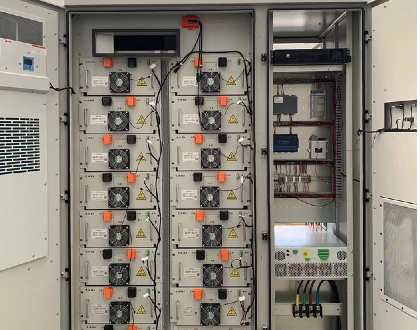
Key Features of the 215kWh Air Cooling ESS
The Air Cooling 215kWh Energy Storage System stands out because of its innovative design and high-performance features, which make it suitable for a wide variety of renewable energy projects.
Modular Air-Cooled System Design
Unlike traditional water-cooled energy storage, this ESS uses advanced air cooling technology. This approach eliminates the need for additional water infrastructure, making it suitable for water-scarce regions and reducing installation complexity. Its modular design means that units can be added as energy needs grow, allowing businesses and utilities to expand capacity without redesigning their entire system. This flexibility is particularly valuable for industries that anticipate future growth or regions expecting rapid increases in renewable energy adoption.
Hybrid Inverter ESS Cabinet
The inclusion of a hybrid inverter ensures seamless integration with renewable energy sources such as solar panels and wind turbines. It can handle both charging and discharging operations with high efficiency, converting renewable electricity into stored power and releasing it back into the grid when required. This high degree of flexibility allows operators to balance multiple energy sources in hybrid systems, reducing inefficiencies and ensuring reliable power delivery to end-users.
LFP Battery Technology
Lithium iron phosphate (LFP) batteries are at the core of the 215kWh ESS. Known for their long cycle life, safety, and stability, these batteries support fast charging and discharging without significant degradation. Compared to other lithium-ion technologies, LFP batteries have a longer lifespan and lower risk of overheating, making them ideal for industrial-scale renewable integration. Furthermore, their environmentally friendly chemistry adds another layer of sustainability, reducing potential hazards in disposal and recycling processes.
How the 215kWh ESS Maximizes Renewable Energy Use
Storing Excess Energy
During peak solar generation in the middle of the day, or strong wind periods at night, the ESS stores surplus energy that would otherwise go unused. Instead of wasting green electricity, operators can capture it and deploy it when demand rises. This ensures that renewable energy projects operate at maximum efficiency, improving the financial returns of investments in clean energy infrastructure.
Distributing Power During Low Generation
When renewable generation is low, such as during cloudy weather or calm nights, the ESS releases stored power to maintain supply. This consistency strengthens consumer confidence in renewable energy and makes it possible for businesses to depend on renewables without compromising productivity. Factories, hospitals, and commercial buildings benefit from a steady energy supply that protects them against fluctuations.
Supporting Smarter Energy Management
This intelligent energy management ensures that every kilowatt-hour of renewable electricity is put to good use, helping utilities and businesses extract maximum value from their clean energy investments. By automating when energy is stored and when it is released, the Air Cooling 215kWh Energy Storage System eliminates inefficiencies and contributes to grid stability. Over time, this creates a more predictable and resilient energy ecosystem.
Benefits for Solar, Wind, and Hybrid Systems
Solar Energy Integration
Solar farms often generate more electricity than the grid can handle during midday peaks. Without storage, this surplus is curtailed, wasting valuable green energy. The ESS stores this excess and releases it in the evening when demand is higher but solar generation has stopped. This ability to shift solar energy makes the system indispensable for communities and industries relying on solar power.
Wind Energy Integration
Wind turbines generate electricity at unpredictable times, often when demand is low. By storing wind energy, the ESS ensures that electricity can be shifted to times of higher demand, improving the overall value and efficiency of wind projects. It also makes wind energy more compatible with modern grid systems, which require stable and predictable power flows.
Hybrid Energy Systems
In hybrid energy systems combining solar, wind, and possibly diesel backup, the 215kWh ESS acts as a central hub for managing flows of electricity. It balances the strengths of different sources, reduces reliance on fossil fuels, and ensures that renewable energy is always prioritized. Hybrid systems are increasingly popular in remote communities and industrial facilities where grid access is limited, making the versatility of the ESS especially important.
Case Studies and Success Stories
Applications in Solar Farms
Projects in arid regions with limited water resources benefit greatly from air-cooled ESS because they avoid the added infrastructure and costs of water-based cooling systems. For example, solar farms in desert climates can deploy the Air Cooling 215kWh Energy Storage System to store large amounts of electricity while conserving valuable water resources.
Supporting Wind-Rich Regions
In wind-heavy regions, air-cooled storage ensures that even if turbines generate power during off-peak hours, the energy can be stored and used during daily consumption peaks. This prevents the need for excessive curtailment and improves the financial performance of wind projects, making them more viable for investors and governments.
Microgrids and Remote Communities
Hybrid microgrids in remote areas have successfully deployed 215kWh-class ESS solutions to provide round-the-clock clean power. Communities that previously depended heavily on diesel generators can now rely on a mix of solar, wind, and battery storage, drastically reducing fuel costs and emissions. Schools, hospitals, and businesses in these regions enjoy more reliable and affordable electricity, which improves quality of life and economic growth.
Conclusion
Transitioning to renewable energy goes beyond installing solar panels or wind turbines—it requires reliable energy storage solutions that balance supply and demand efficiently. The 215kWh Air-cooled ESS delivers this capability through its Modular Air-cooled Energy Storage System design, Hybrid Inverter ESS Cabinet, and high-performance LFP Battery ESS technology. By storing surplus renewable energy and distributing it during periods of low generation, this system minimizes dependence on fossil fuel backups and maximizes clean electricity usage. Its air-cooled structure and IP54 Commercial ESS protection make it suitable for diverse environments, including areas with limited water resources, and compatible with solar, wind, and hybrid energy setups.
For businesses, utilities, and governments seeking sustainable, cost-effective, and high-performance energy solutions, the 215kWh Air-cooled ESS offers a forward-looking approach to grid stability and energy optimization. To explore implementation options, customized solutions, or technical guidance, Dagong Huiyao Intelligent Technology Luoyang Co., Ltd. provides expert support and consultation. Contact them today to learn how their Modular Air-cooled Energy Storage System can enhance your renewable energy operations, improve efficiency, and help achieve long-term sustainability goals.


